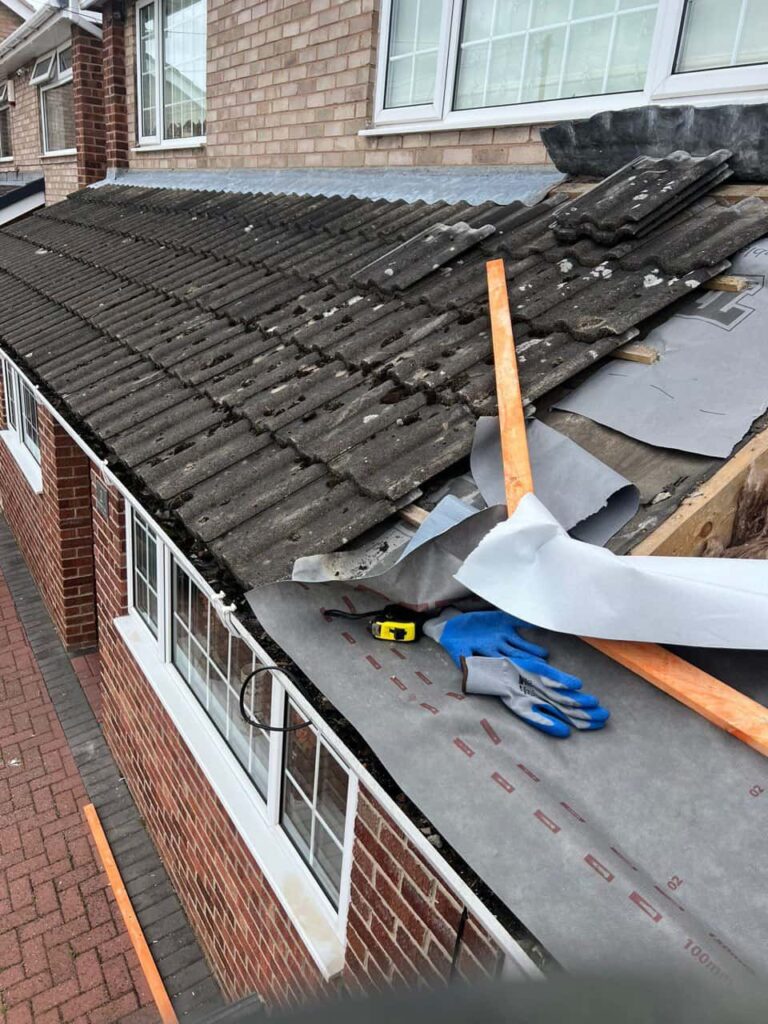
Noticing a single slipped roof tile can feel like a minor issue, especially if there are no obvious leaks inside the property. However, even one displaced tile can compromise the performance of the entire roofing system if it is left unaddressed. For homeowners in Burntwood, West Midlands, understanding why a slipped tile matters can help prevent more serious problems developing over time.
This article explains what a slipped tile indicates, the risks involved, and why prompt attention is often the wisest approach.
What Does a Slipped Tile Really Mean?
Roof tiles are designed to overlap in a specific way, creating a protective barrier against wind and rain. When one tile slips out of position, it usually indicates that something has changed within the roofing system.
Common underlying causes include:
- Natural wear of fixings over time
- Strong winds or recent storms
- Movement within the roof structure
- Deterioration of the underlay beneath the tiles
While the tile itself may appear to be the only issue, it is often a sign that the surrounding area should be checked more closely.
How One Slipped Tile Can Lead to Bigger Problems
A single missing or displaced tile creates a vulnerable point in the roof covering. Rainwater can be driven beneath neighbouring tiles, allowing moisture to reach the underlay and roof timbers.
If left unresolved, this can lead to:
- Water ingress during heavy rainfall
- Damp patches in loft spaces or ceilings
- Gradual weakening of timber components
In Burntwood’s changing weather conditions, even small gaps can quickly allow problems to escalate.
Increased Risk During Wind and Rain
Once a tile has slipped, nearby tiles may also be less secure. Wind can lift surrounding tiles more easily, especially during storms, increasing the risk of further displacement.
This chain reaction can result in a much larger area of exposed roof, making early intervention far more effective than waiting until additional damage occurs.
Impact on the Roof’s Overall Stability
Roofing systems work as a whole. When one tile moves, it can affect how weight and pressure are distributed across the roof. Over time, this can place additional strain on adjacent tiles and battens.
Addressing a slipped tile promptly helps maintain:
- The correct alignment of tiles
- The strength of the roof covering
- The long-term stability of the structure
Ignoring small issues often allows gradual deterioration to take hold.
Why Professional Assessment Is Important
Replacing or repositioning a tile may appear straightforward, but accessing the roof safely and ensuring the tile is secured correctly requires experience. More importantly, a professional roofer will assess whether the slipped tile is an isolated issue or part of a wider problem.
A trained specialist can:
- Check for damage to surrounding tiles and fixings
- Inspect the condition of the underlay
- Identify early signs of structural or weather-related wear
Working with a local expert such as Burntwood Roofing Repairs ensures the repair is carried out with an understanding of local housing styles and conditions.
Conclusion
While one slipped tile may seem minor, it is rarely something to ignore. Even a small displacement can allow water ingress, weaken surrounding tiles and lead to more extensive roof damage if left unattended.
For homeowners in Burntwood, West Midlands, addressing a slipped tile early helps protect the roof’s integrity and avoid more disruptive repairs later on. Seeking professional advice as soon as the issue is noticed is a sensible step towards keeping your roof secure, weather-resistant and in good working condition.
Call us on: 01543 224 596
Click here to find out more about Burntwood Roofing Repairs
Click here to complete our contact form and see how we can help with your roofing needs