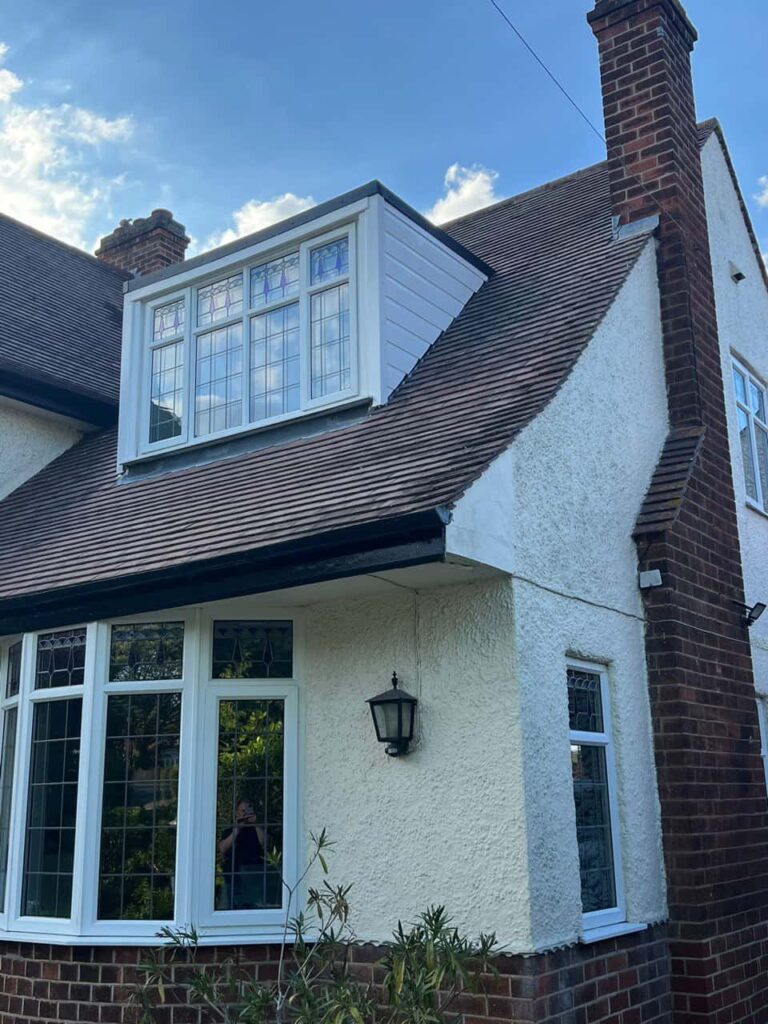
One displaced roof tile may result from a localised defect, but several tiles moving within the same period can indicate a wider problem. The cause may involve deteriorated fixings, weakened battens, wind uplift or movement affecting a larger section of the roof covering.
Homeowners in Burntwood, West Midlands, should arrange a professional inspection rather than simply repositioning the most visible tiles. Identifying why they have moved is essential if the repair is to remain secure and prevent rain from reaching the materials beneath.
What Several Moving Roof Tiles May Mean
Tiles are installed as part of an overlapping system in which each component contributes to weather resistance. When several begin slipping, lifting or sitting unevenly, the surrounding roof should be assessed for a common underlying cause.
Look for Changes From Ground Level
Moving tiles may appear lower than neighbouring tiles, sit at an unusual angle or create visible gaps in the roof covering. Some may lift only slightly, making the problem easier to notice when comparing their alignment with the rest of the roof slope.
Homeowners should inspect only from a safe position at ground level. Walking on the roof can displace additional materials and does not provide a reliable way to assess concealed fixings or battens.
Keep the Area Below Clear
A loose tile can move further during strong winds or prolonged rain. If affected materials are positioned above an entrance, path or frequently used outdoor area, keep people away until the roof has been assessed.
Fragments of tile or mortar found on the ground can help indicate where the movement is occurring. These pieces should not be treated as harmless debris, particularly when the roofline already looks uneven.
Check Inside the Loft Where Accessible
From a safe internal position, look for damp insulation, staining on timbers, daylight through unexplained gaps or signs that underlay has torn or sagged.
The absence of visible moisture does not prove that the roof remains weather-resistant. Water may enter only during wind-driven rain, and underlay can temporarily prevent it from reaching the ceiling below.
Arrange a Wider Roof Inspection
Several moving tiles should prompt an inspection of the complete affected slope and nearby roof details. The roofer should determine whether the problem involves individual tiles or the materials responsible for securing them.
The assessment may include:
- tile nails, clips and other fixings;
- the condition and alignment of battens;
- the strength of tile nibs;
- underlay beneath the covering;
- neighbouring tiles that still appear correctly positioned;
- ridge and verge details; and
- evidence of moisture within the roof space.
This wider approach reduces the risk of repairing only the tiles that have already moved while leaving similarly weakened materials untouched.
Why Tile Fixings Can Fail
Roof tiles may be secured with nails, clips or a combination of methods. Over time, metal fixings can corrode, loosen or lose their grip. Movement may also occur where fixings were unsuitable or not installed correctly.
If several tiles rely on fixings of the same age and condition, failure may appear across a section rather than in one isolated position. Replacing or securing only one tile may therefore provide a temporary result.
Battens May Be Deteriorating
Battens support the tiles and provide fixing points beneath the roof covering. Prolonged moisture exposure can weaken the timber, making it difficult for nails or clips to remain secure.
This damage is usually concealed until tiles are lifted. Where affected battens are discovered, the repair area may need to extend beyond the visibly displaced tiles to reach sound timber.
Strong Winds Can Lift Several Tiles
Wind pressure can enter beneath slightly raised or poorly secured tiles. Once one tile moves, neighbouring materials may become more exposed and vulnerable to further uplift.
Damage is not always obvious immediately after poor weather. Tiles may remain on the roof while their fixings have loosened, only slipping later during ordinary conditions.
Broken Tile Nibs Can Allow Movement
Many roof tiles include nibs that rest against or hook over the battens. These can crack through age, previous handling or repeated movement.
A tile with a damaged nib may look intact from the ground but no longer sit securely. Inspecting the back of the tile helps determine whether it can be refitted or requires replacement.
Ageing Mortar Can Affect Nearby Components
Deteriorated mortar around ridges and verges may loosen surrounding materials or expose roof edges to wind-driven rain. Movement in these locations can gradually affect adjacent tiles.
Replacing the displaced tiles without addressing failed mortar or other edge details may allow the problem to continue.
Do Not Rely on Surface Sealants
Applying sealant around moving tiles does not restore damaged fixings, battens or nibs. It may also interfere with normal drainage and make a later repair more difficult.
A dependable repair should secure the tiles using an appropriate fixing method and replace any supporting materials that are no longer serviceable.
How a Professional Repair May Be Completed
The correct repair depends on what is found beneath the covering. Work may involve carefully lifting tiles, renewing damaged battens or underlay, replacing broken tiles and securing the covering with suitable fixings.
Where the surrounding materials remain sound, the repair can often be confined to a manageable section. More extensive work is only necessary when deterioration affects a wider area.
Watch for Internal Warning Signs
Moving tiles should receive prompt attention if they are accompanied by:
- new ceiling stains;
- damp patches on upper walls;
- musty smells in the loft;
- wet or compressed insulation;
- dark staining on timbers; or
- water appearing during particular wind directions.
These signs may indicate that rain has already passed beneath the roof covering. Because moisture can travel, the internal symptom may not be directly below the affected tiles.
Why Prompt Attention Matters
A small gap can allow wind and rain to reach areas that were previously protected. Continued movement may expose the underlay, loosen neighbouring tiles and increase the size of the repair required.
Prompt assessment does not mean assuming that the roof needs replacement. It allows the defect to be investigated while sound sections can still be preserved.
Conclusion
When several roof tiles begin moving, the safest and most practical response is to arrange a professional inspection of the affected roof slope. Multiple displaced tiles can indicate weakened fixings, damaged battens, broken nibs or wind uplift rather than a series of unrelated faults.
If you have noticed tiles moving on your property in Burntwood, West Midlands, Burntwood Roofing Repairs can identify the underlying cause and determine the appropriate repair. Contact us to arrange an assessment before further weather exposure allows the problem to spread.
Call us on: 01543 224 596
Click here to find out more about Burntwood Roofing Repairs
Click here to complete our contact form and see how we can help with your roofing needs.