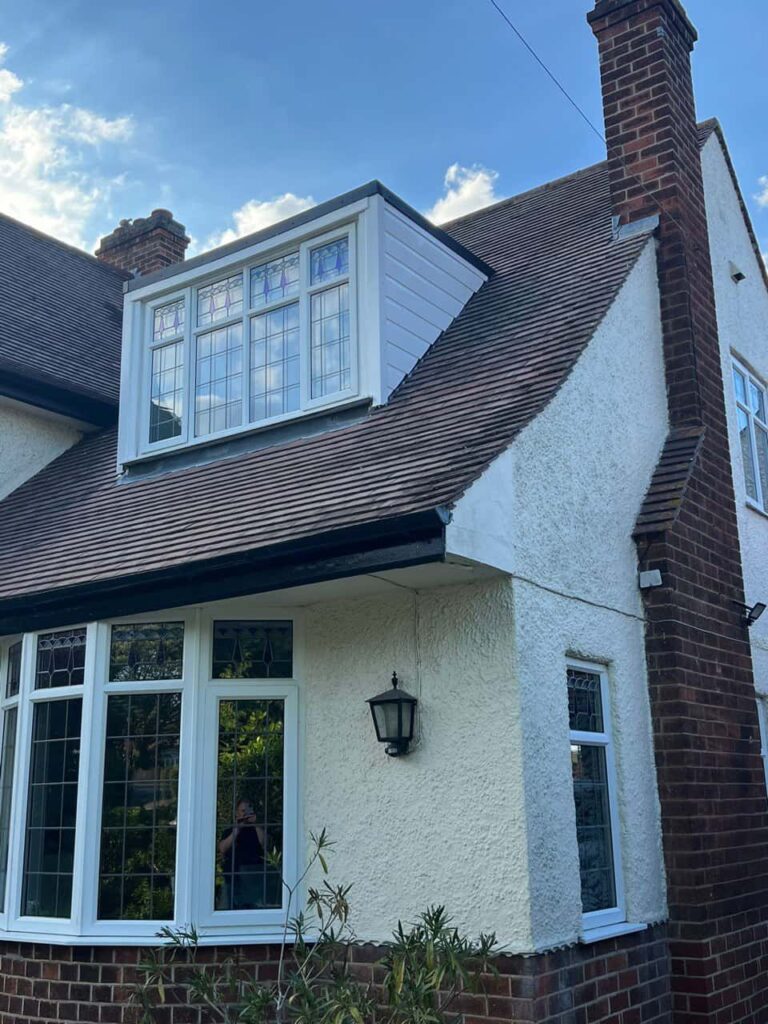
Minor roof damage can appear harmless, particularly when there is no visible water entering the property. A slightly displaced tile, a narrow split in a flat roof or a small gap around flashing may not seem urgent. However, roofing defects can worsen quickly when exposed to wind and prolonged rainfall.
What begins as a localised weakness may eventually allow water into the roof space, loosen surrounding materials or affect internal ceilings and electrical fittings. For property owners in Burntwood, West Midlands, recognising when minor damage is becoming more serious can help prevent an avoidable roofing emergency.
How Small Roofing Defects Can Become Urgent Problems
A roof functions as a complete weatherproofing system. Tiles, slates, membranes, flashing, mortar, underlay and drainage components must all work together. When one part becomes damaged, the materials beneath it may be left increasingly exposed.
The speed at which a defect develops depends on its location, the condition of the surrounding roof and subsequent weather. Some minor issues remain stable temporarily, while others deteriorate after a single spell of heavy rain or strong wind.
A Slipped Tile Can Expose the Underlay
One displaced tile may leave only a small section of underlay exposed. Although the underlay provides secondary protection, it is not intended to remain directly exposed to the weather for extended periods.
Wind-driven rain can find gaps around fixings or overlaps, while continued wind may lift neighbouring tiles. If the underlying membrane is already worn or torn, water can enter the roof space almost immediately.
A slipped tile should therefore be inspected even if no internal leak is currently visible.
Small Cracks Can Admit Significant Moisture
Hairline cracks in tiles, flashing or flat roofing materials may be difficult to see from ground level. As materials expand and contract, these openings can gradually widen.
Repeated rainfall allows moisture to pass through the same defect and accumulate within insulation or timber. The amount entering during each shower may be limited, but the combined effect can eventually produce widespread dampness.
Wind Can Enlarge Existing Damage
A loose tile, raised membrane edge or unsecured flashing creates a point where wind can exert pressure. Once air reaches beneath the material, it may lift a larger section or dislodge adjacent components.
This process can turn a small defect into an exposed area during a storm. Loose roofing materials may also become unstable, making the situation more urgent even before water enters the property.
Blocked Drainage Can Overwhelm Vulnerable Areas
Moss, leaves and other debris can prevent water from moving freely through gutters, valleys and flat-roof outlets. Rainwater may then collect or flow towards joints that are not designed to remain submerged.
A minor crack near a blocked drainage point can allow far more water into the roof than it would under normal conditions. Overflowing gutters may also saturate fascias, soffits and external walls.
Keeping drainage routes clear is therefore an important part of preventing smaller roofing defects from escalating.
Water May Remain Hidden
Roof leaks are not always immediately visible inside a room. Water can travel along rafters, battens, underlay and ceiling joists before appearing on plasterwork.
It may also soak into insulation, allowing damage to develop out of sight. By the time a ceiling stain appears, moisture may have been entering for some time.
This is why the absence of dripping water does not necessarily mean that a roof defect is safe to ignore.
Flat Roof Defects Can Spread Beneath the Surface
Small blisters, cracks and open seams on a flat roof can allow moisture between the covering and the supporting layers. Once trapped, water may spread well beyond the visible defect.
The roof deck can become soft or unstable, and further temperature changes may enlarge the damaged area. Applying sealant to the surface without assessing the underlying layers may fail to resolve the problem.
Damage Near Roof Junctions Needs Particular Attention
Chimneys, valleys, roof windows and adjoining walls are vulnerable because they rely on correctly formed joints and flashing. These areas also handle concentrated rainwater.
A small separation in leadwork or a minor mortar defect can create a direct route beneath the roof covering. Water entering at a junction may travel considerable distances, making the eventual leak difficult to trace.
When Does Minor Damage Become an Emergency?
Roof damage requires urgent attention when it creates an immediate risk of rapid water ingress, falling materials or internal damage. Warning signs include:
- Water dripping through a ceiling
- A ceiling that is bulging or sagging
- Roofing materials becoming loose after strong winds
- A large section of covering lifting or moving
- Water entering near electrical fittings
- Rapidly spreading damp patches
- An exposed area of roof following tile loss
- A sudden leak during continuing heavy rainfall
Where water is close to electrical installations, avoid touching the affected area or using nearby switches and seek appropriate professional assistance.
What Should You Do After Spotting Damage?
Do not climb onto the roof or attempt repairs in wet or windy conditions. From a safe position, note where the damage appears to be located and check accessible indoor areas for signs of moisture.
Moving belongings away from an internal leak and placing a container beneath a drip can reduce immediate disruption. However, these steps do not address the roofing defect itself. A professional inspection is needed to locate the entry point and determine the extent of the damage.
Why Prompt Professional Assessment Matters
Early inspection can establish whether the problem is genuinely minor or whether deterioration has already spread beneath the visible surface. A roofer should assess the damaged component as well as the surrounding coverings, fixings, underlay, flashing and drainage.
This broader approach supports an effective repair and reduces the likelihood of treating only the symptom. It can also identify nearby weaknesses before they contribute to another leak.
Conclusion
Minor roof damage can become an emergency when wind, rain or blocked drainage enlarges the original defect. Slipped tiles, small cracks, loose flashing and open seams may allow moisture to enter before obvious internal signs develop.
Burntwood Roofing Repairs can inspect the affected area, identify the cause and determine the appropriate repair. If you have noticed damage to your roof, contact our team to arrange a professional assessment in Burntwood, West Midlands, before the problem has an opportunity to worsen.
Call us on: 01543 224 596
Click here to find out more about Burntwood Roofing Repairs
Click here to complete our contact form and see how we can help with your roofing needs.