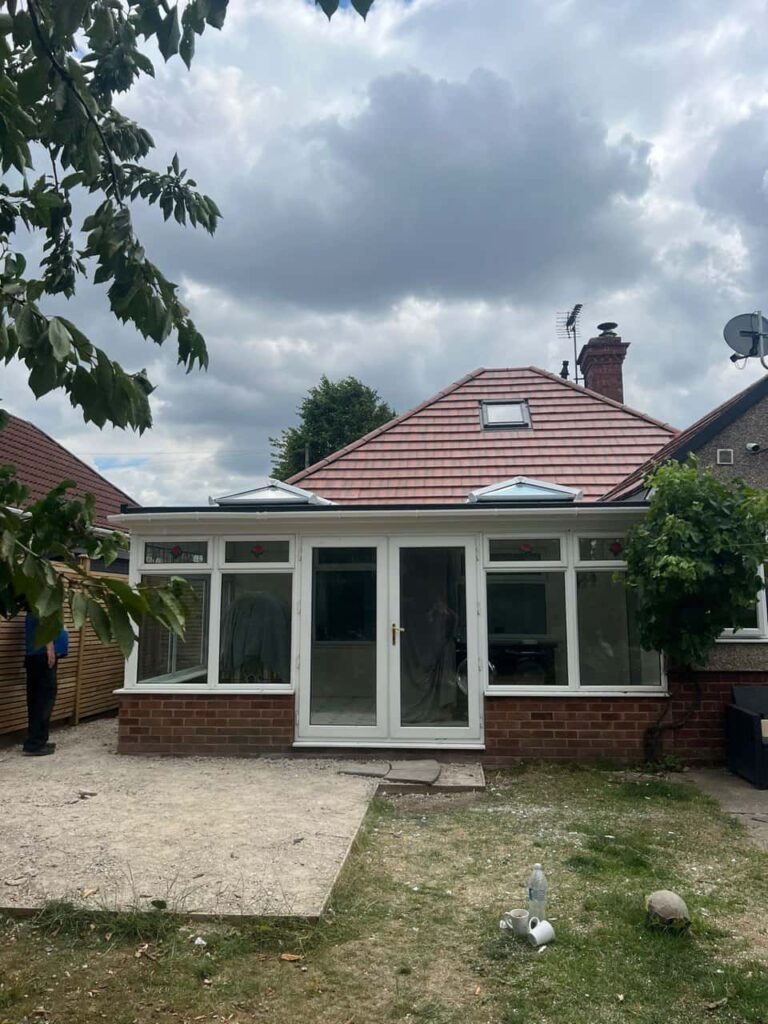
A chimney is one of the most exposed features of a roof. Sitting above the main roofline, it regularly faces wind, rain and changing weather conditions. Although chimney defects can begin relatively small, deterioration around this area should not be overlooked because the chimney forms several important junctions with the surrounding roof.
Minor problems such as deteriorating mortar, damaged flashing or loose materials can allow moisture to reach areas that should remain protected. If the underlying cause is left unresolved, what began as a local chimney defect can gradually affect surrounding tiles, roof timbers and internal areas of the property.
For homeowners in Burntwood, West Midlands, timely professional chimney repairs can therefore play an important role in maintaining the wider roofing system. Burntwood Roofing Repairs provides careful roof and chimney assessments designed to identify problems and carry out appropriate repairs before deterioration becomes more extensive.
Why Are Chimneys Vulnerable to Deterioration?
Unlike much of the roof covering, a chimney has several exposed surfaces as well as multiple junctions where different materials meet.
The area can include:
- Brickwork
- Mortar joints
- Flashing
- Chimney pots
- Flaunching
- Tiles surrounding the chimney
- Roof-to-chimney junctions
Each element needs to remain in suitable condition for the complete area to perform effectively.
Even when the main roof covering remains sound, deterioration around one chimney detail can potentially provide a route for water into the roofing system.
Small Chimney Problems Can Become Larger Roofing Problems
The significance of a minor defect often depends on where it is located.
A small weakness in an exposed chimney junction can repeatedly encounter rain. Over time, moisture may penetrate further into surrounding materials, especially if the defect gradually deteriorates.
Addressing a small problem early can help prevent a progression from localised chimney maintenance to more extensive roofing repairs.
This is particularly important because some deterioration can remain concealed beneath tiles or within the roof structure before obvious internal symptoms appear.
1. Damaged Flashing Can Allow Water Into the Roof
Flashing is used to create a weather-resistant junction between the chimney and the roof covering.
Because the chimney passes through the roof, this junction requires careful detailing. If flashing becomes loose, damaged or deteriorated, rainwater can potentially find a route beneath the surrounding roofing materials.
The resulting leak may not appear directly beneath the visible defect because water can travel before becoming noticeable internally.
Timely flashing repairs can restore protection around the chimney before continued water ingress affects a larger area.
2. Deteriorating Mortar Should Not Be Ignored
Mortar joints help maintain the stability and weather resistance of chimney brickwork.
Exposure to the elements can gradually cause mortar to deteriorate. Small gaps or weakened sections may initially appear relatively insignificant, but continued exposure can allow further deterioration.
Where appropriate, repairing deteriorated mortar helps maintain the integrity of the chimney and reduces the likelihood of loose material developing.
Professional inspection is useful because the condition of mortar can be difficult to judge accurately from ground level.
3. Flaunching Can Develop Defects
Flaunching is the material around the base of chimney pots at the top of the stack. It helps hold the pots securely while encouraging water to drain away.
Because this area is highly exposed, deterioration can develop over time.
Cracking or damaged flaunching can allow moisture into vulnerable areas and may eventually affect the stability of chimney pots.
Repairing relatively small defects before deterioration becomes extensive can help maintain the chimney as a complete structure.
4. Loose Chimney Materials Can Affect the Surrounding Roof
Loose or deteriorating materials above the roofline can create problems beyond the chimney itself.
If fragments fall onto the surrounding roof, they can potentially damage tiles or other roofing materials. Larger loose sections naturally require particularly careful professional attention.
The aim of preventative chimney maintenance is therefore not limited to keeping the chimney looking tidy. It can also help protect the roof immediately surrounding it.
5. Water Ingress Can Spread Beyond the Chimney
One of the reasons chimney defects deserve prompt investigation is that water does not always remain close to its original entry point.
After passing through a damaged junction, moisture can potentially travel along roofing materials or structural components.
Homeowners might eventually notice:
- Damp staining
- Discolouration on ceilings or walls
- Moisture within the roof space
- Recurring leaks during rainfall
- Deterioration close to the chimney internally
By the time these symptoms become visible, the external defect may have existed for some time.
Why Chimney Leaks Can Be Difficult to Diagnose
When damp appears close to a chimney, it may be tempting to assume that one particular component is responsible.
In practice, several areas can potentially require investigation.
The flashing may be deteriorated, mortar could have weakened, surrounding tiles may be damaged or another nearby roof detail could be allowing water through.
Professional diagnosis is therefore important. Treating an assumed problem without identifying the actual route of water ingress can result in the leak returning.
Surrounding Roof Tiles Should Be Checked Too
A chimney should not be inspected entirely separately from the roof around it.
Tiles close to chimney junctions can become damaged, displaced or weathered. If work is required around the chimney, checking neighbouring roofing materials can help identify additional weaknesses at the same time.
This is particularly valuable when water ingress has already occurred.
A successful repair should consider how the chimney and surrounding roof work together to manage rainfall.
Can Minor Repairs Really Make a Difference?
Yes, when they address a genuine defect before it progresses.
For example, correcting a localised flashing problem while surrounding materials remain sound can prevent repeated moisture penetration. Similarly, dealing with deteriorating mortar before larger sections loosen can help preserve the condition of the chimney.
The important distinction is between minor damage and widespread deterioration.
Small repairs are most effective when the problem is genuinely localised. If several parts of the chimney or surrounding roof have deteriorated, more comprehensive work may be necessary.
Warning Signs That a Chimney Needs Attention
Some chimney defects are difficult to see from below, but homeowners may notice indications that professional assessment would be worthwhile.
These can include:
Visible Mortar Deterioration
Gaps or crumbling sections can indicate weathering of the joints.
Damaged or Displaced Flashing
Changes around the junction between the chimney and roof should be investigated.
Loose Materials
Debris around the property may indicate deterioration above.
Internal Damp
Water staining close to the chimney can suggest that moisture is entering somewhere around the roof or chimney junction.
Recurring Leaks
Leaks that repeatedly develop during rainfall require proper investigation.
Visible Cracking
Changes to the chimney’s exterior can indicate that sections need closer assessment.
Homeowners should observe these signs safely from ground level rather than attempting to access the roof themselves.
Why Waiting Can Allow Deterioration to Spread
Roofing defects rarely improve without attention.
A small opening that allows occasional moisture penetration can gradually become more significant as materials continue to experience weather exposure.
Once water reaches areas beneath the external covering, the problem can become less straightforward because the visible surface no longer tells the complete story.
Early professional assessment provides an opportunity to identify the defect while repairs may still be relatively localised.
Chimney Repairs Should Form Part of Wider Roof Maintenance
The chimney and roof should be considered as interconnected parts of the same weather-resistant system.
A perfectly sound chimney cannot compensate for damaged surrounding tiles, just as good roof tiles cannot prevent water entering through deteriorated chimney flashing.
Effective maintenance therefore involves looking at:
- The chimney structure
- Mortar condition
- Flashing
- Flaunching
- Surrounding roof coverings
- Nearby junctions
- Signs of water ingress
Considering these components together provides a clearer understanding of the overall condition.
Why Professional Chimney Repair Matters
Chimney work involves operating at height on one of the most exposed parts of a property. Accurate diagnosis and appropriate repair techniques are essential.
At Burntwood Roofing Repairs, we assess both the chimney and the surrounding roofing area to establish the cause and extent of deterioration. This helps ensure that repairs address the actual weakness rather than simply covering a visible symptom.
Where the problem is localised, targeted work may be sufficient. Where wider deterioration is identified, the appropriate roofing work can be considered before additional problems develop.
Protecting the Roof by Addressing Problems Early
Preventative roofing maintenance does not mean replacing materials unnecessarily. It means responding appropriately when genuine deterioration is identified.
A small chimney defect provides a good example.
If flashing has started to fail but the surrounding roof remains sound, dealing with that specific issue can help protect nearby materials from continued moisture exposure. Leaving it unresolved can allow a relatively straightforward problem to affect a wider area.
Professional assessment helps determine when intervention is worthwhile and what level of work is actually required.
Conclusion
Small chimney repairs can play an important role in preventing wider roof damage. Deteriorating mortar, damaged flashing, defective flaunching and loose materials can all begin as relatively localised problems but may expose surrounding roofing components to moisture or physical damage if they continue to worsen.
The most effective approach is to identify the cause early and assess the chimney together with the surrounding roof. Not every minor defect requires extensive work, but timely professional repairs can help prevent manageable deterioration from developing into a more significant roofing problem.
For homeowners in Burntwood, West Midlands, Burntwood Roofing Repairs provides professional chimney and roof repairs focused on identifying problems accurately and restoring reliable protection. If you have noticed deterioration around your chimney or signs of water ingress nearby, contact our team to arrange an assessment and determine the appropriate repair.
Call us on: 01543 224 596
Click here to find out more about Burntwood Roofing Repairs
Click here to complete our contact form and see how we can help with your roofing needs.